Choosing the right paper material is one of the most important decisions in custom paper box manufacturing. A box may look simple from the outside, but its performance depends heavily on the material behind it. The right paper can improve product protection, printing quality, shelf presentation, customer experience, and cost efficiency. The wrong material can lead to weak structure, poor color results, damaged edges, unsuitable finishing, or unnecessary production cost.
At VPN Paper Box Manufacturer, we often see B2B buyers focus first on design, logo, color, or finishing effects. These details are important, but the material choice should come first. The paper you choose will affect box strength, printing quality, production cost, MOQ, lead time, and export packaging performance.
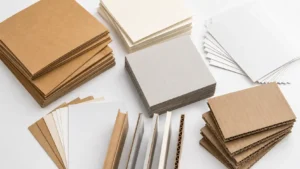
This guide from VPN Paper Box Manufacturer explains the most common paper materials used for custom paper boxes, including kraft paper, ivory board, art paper, duplex board, greyboard, and corrugated paperboard. It also explains how paper thickness, GSM, printing, finishing, structure, cost, and export requirements affect the final choice. If your business is planning to order custom paper boxes, this article will help you prepare better before requesting a quotation from a packaging factory.
Why Paper Material Matters in Custom Paper Box Manufacturing
Paper material affects almost every part of a custom paper box project. It influences how strong the box feels, how well it protects the product, how sharp the printed artwork appears, how premium the packaging looks, and how suitable the box is for transportation or retail display.
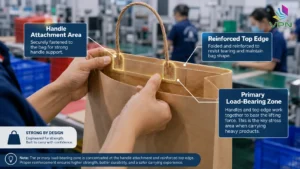
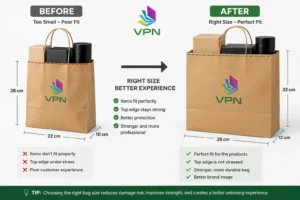
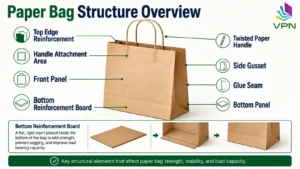
In many packaging projects, buyers focus first on box design, logo, color, or finishing. These details are important, but they should be considered together with material selection. For example, foil stamping looks better on a smooth and stable surface. Embossing needs a material structure that can hold pressure without cracking. A large paper bag needs suitable paper thickness and handle reinforcement. A rigid gift box usually requires greyboard inside because ordinary thin paper cannot create the same structure.
Paper choice also affects production cost. A thicker material usually increases cost, but it may reduce the risk of product damage. A premium surface paper may improve brand presentation, but it may not be necessary for every product. A simple folding carton may be more practical than a rigid box if the product is lightweight and the order quantity is large.
For international B2B buyers, material selection also affects shipping and export packaging. Boxes that are too weak may deform during transportation. Boxes that are too heavy may increase shipping cost. The best material is not always the most expensive one. It is the material that matches the product, brand position, quantity, budget, and supply chain requirements.
Common Paper Materials Used for Custom Paper Boxes
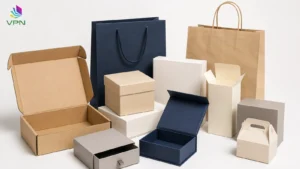
Different paper materials serve different packaging purposes. Some are better for natural and eco-friendly branding. Some are better for premium printing. Some are used as structural board for rigid boxes. Others are suitable for protective packaging or shipping support. Understanding the role of each material helps buyers make more practical decisions.
Kraft Paper
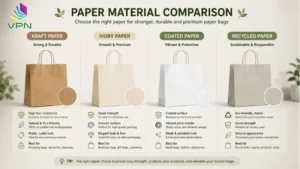
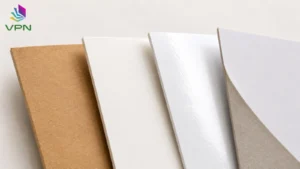
Kraft paper is widely used for brands that want a natural, simple, recyclable, or eco-conscious packaging appearance. It usually has a brown or white surface and is often selected for food packaging, handmade products, organic products, retail bags, and minimalist packaging designs.
Brown kraft paper gives a raw and natural look. It works well for brands that want packaging to feel honest, simple, sustainable, or handmade. White kraft paper provides a cleaner surface and can be easier to match with modern branding. However, kraft paper does not always produce the same bright color result as white coated paper. Printed colors may appear slightly muted, especially on brown kraft.
Kraft paper can be used for paper bags, folding cartons, sleeves, labels, and some lightweight product boxes. It is also a common choice for brands that want to reduce the use of plastic-looking packaging. However, if your product needs luxury finishing, high-gloss printing, or very accurate color reproduction, kraft paper may not be the best first choice.
For B2B buyers, kraft paper is suitable when the packaging message is natural, organic, eco-friendly, handmade, or simple. It is also practical for certain food, cosmetics, tea, coffee, candle, soap, and retail packaging projects.
Ivory Board
Ivory board is a popular material for folding cartons and custom printed paper boxes. It usually has a smooth white surface that supports good printing quality. Many cosmetic boxes, pharmaceutical boxes, food boxes, retail product boxes, and small consumer goods boxes use ivory board because it provides a clean look and practical structure.
One advantage of ivory board is its balance between appearance, printability, and cost. It is suitable for offset printing, CMYK artwork, brand colors, product information, and detailed graphics. Compared with kraft paper, ivory board can deliver a cleaner and brighter printing result. Compared with premium rigid box materials, it is usually more cost-efficient for larger production quantities.
Ivory board is often used for folding carton boxes because it can be printed, die-cut, creased, folded, and glued into different box structures. It is suitable for straight tuck end boxes, reverse tuck end boxes, lock bottom boxes, sleeve boxes, and many retail packaging formats.
For brands that need professional-looking custom paper boxes without moving into luxury rigid box cost, ivory board is often a strong option. It is especially useful for cosmetics, skincare, supplements, food products, electronics accessories, stationery, and retail items.
Art Paper
Art paper is often used as a printed wrapping paper or surface paper, especially for premium rigid boxes, gift boxes, luxury packaging, and branded paper bags. It has a smooth coated surface that supports high-quality printing and finishing effects.
In rigid box manufacturing, art paper is commonly printed first and then mounted onto greyboard. This combination creates a strong box structure with a premium printed exterior. Art paper can also support finishing techniques such as matte lamination, gloss lamination, soft-touch lamination, foil stamping, embossing, debossing, and spot UV.
Art paper is a good choice when brand presentation is important. It can produce strong visual impact, clean colors, and a more refined surface. Luxury gift boxes, cosmetic rigid boxes, jewelry packaging, perfume boxes, and promotional packaging often use art paper as the outer surface.
However, buyers should remember that art paper alone is not usually the structural core of a rigid box. It is often used together with greyboard. The art paper creates the printed and decorative surface, while the greyboard provides thickness and strength.
Duplex Board
Duplex board is commonly used for cost-effective packaging, especially when one side requires a printable surface and the other side does not need to be as premium. It is often used for folding cartons, retail boxes, food-related packaging, consumer product boxes, and industrial packaging where practical cost control is important.
Duplex board usually has a white or coated surface on one side and a grey or less refined back side. This makes it suitable for packaging where the outside needs printed branding but the inside does not need a premium white finish. It can be a practical option for larger-volume orders that need acceptable appearance and good cost efficiency.
For brands that need high-end packaging, duplex board may not feel as premium as ivory board or rigid box materials. However, for many functional packaging projects, it can be a suitable material if the structure, thickness, and printing requirements are planned correctly.
B2B buyers should consider duplex board when the product requires economical paper packaging, the order quantity is large, and the packaging does not need a luxury interior appearance.
Greyboard
Greyboard is a thick and rigid board used as the main structural material for rigid boxes. It is not usually chosen for its surface appearance because it is normally covered with printed art paper, specialty paper, kraft paper, or other wrapping materials. Its main function is to provide strength, thickness, and shape.
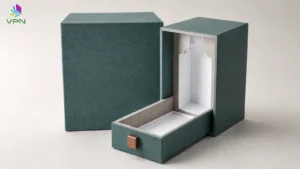
Rigid boxes, magnetic boxes, lid-and-base boxes, drawer boxes, book-style boxes, and premium gift boxes often use greyboard. The thickness of greyboard can vary depending on the required box size, product weight, and premium feel. A thicker greyboard creates a stronger and more luxurious box, but it also increases cost, weight, and shipping volume.
For luxury packaging projects, structures such as custom magnetic gift boxes are commonly selected when brands need stronger presentation, better hand feel, and a more premium unboxing experience.
Greyboard is especially suitable for high-value products such as cosmetics, jewelry, watches, perfumes, electronics accessories, corporate gifts, and luxury retail packaging. It gives the packaging a solid hand feel and improves the unboxing experience.
When choosing greyboard, buyers should not only ask for the thickest option. The right thickness depends on the box size and product weight. A small jewelry box may not need the same board thickness as a large gift set box. A professional paper box manufacturer should recommend a suitable greyboard thickness based on the structure and application.
Corrugated Paperboard
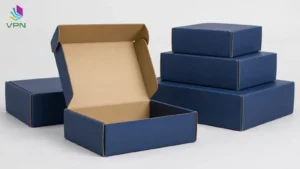
Corrugated paperboard is commonly used when strength, cushioning, and transportation protection are important. It has fluted paper between liner layers, which helps absorb pressure and improve structural strength. Corrugated paperboard is often used for shipping boxes, mailer boxes, e-commerce packaging, display boxes, and protective outer packaging.
For custom paper box projects, corrugated board may be used when the product is heavier, fragile, or shipped directly to customers. Packaging formats such as custom corrugated mailer boxes are practical for ecommerce, apparel, subscription boxes, gifts, and retail shipping because they combine product protection with brand presentation.
Corrugated paperboard is practical for businesses selling online, exporting products, or shipping items through long supply chains. It can help reduce damage during transportation when designed correctly. However, if the goal is luxury shelf presentation, a rigid box or high-quality folding carton may be more suitable.
Some brands use both types of packaging: a premium inner product box and a corrugated outer shipping box. This approach helps protect the product while maintaining strong brand presentation.
Paper Material Comparison Table
| Material | Best Used For | Main Strength | Things to Consider |
|---|---|---|---|
| Kraft Paper | Eco-style boxes, paper bags, food packaging, handmade products | Natural look, simple branding, recyclable appearance | Printed colors may look less bright on brown kraft |
| Ivory Board | Folding cartons, cosmetic boxes, food boxes, retail boxes | Good printability, clean white surface, practical cost | Not as rigid or premium as greyboard boxes |
| Art Paper | Rigid box wrapping, luxury packaging, paper bags, gift boxes | Smooth printing surface, good for premium finishing | Usually needs board support for rigid structures |
| Duplex Board | Cost-effective cartons, retail packaging, larger-volume orders | Good balance between function and cost | Interior side may not look premium |
| Greyboard | Rigid boxes, magnetic boxes, drawer boxes, gift boxes | Strong structure and premium hand feel | Higher cost and heavier shipping weight |
| Corrugated Paperboard | Shipping boxes, mailer boxes, export packaging, e-commerce boxes | Protection, cushioning, logistics strength | Less suitable for luxury surface presentation unless designed carefully |
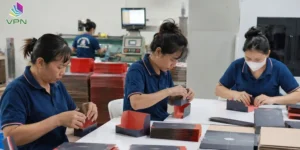
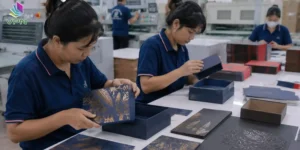
For a B2B paper box project, material selection should not be separated from the actual box structure. At VPN Paper Box Manufacturer, material suggestions are usually reviewed together with box size, product weight, printing artwork, finishing method, packing method, and export requirements. This helps avoid choosing a paper that looks good in theory but performs poorly during folding, gluing, transportation, or retail display.
Which Paper Material Is Best for Different Products?
The best material depends on the product category, packaging purpose, brand positioning, and distribution channel. A material that works well for one product may not be suitable for another. Below are practical examples for common B2B packaging applications.
Cosmetic Packaging
Cosmetic packaging usually requires good print quality, clean color reproduction, and a premium surface feel. For folding cosmetic boxes, ivory board is often a practical choice. It supports offset printing, product information, ingredient lists, and brand colors. For luxury skincare sets, perfume packaging, or premium beauty gift boxes, greyboard with printed art paper wrapping is often more suitable.
Cosmetic brands should also consider finishing options such as matte lamination, soft-touch lamination, foil stamping, embossing, debossing, and spot UV. These effects can improve the perceived value of the product, but they also depend on the material surface and production method.
Food Packaging
Food packaging must balance appearance, safety, practicality, and cost. Kraft paper is often used for natural or organic food brands, bakery packaging, tea, coffee, and handmade products. Ivory board and duplex board can be suitable for printed food boxes, depending on the product type and inner contact requirements.
If the paper box will directly contact food, buyers should confirm food-contact requirements, coating needs, and local regulations before production. In many cases, the paper box is used as outer packaging while the food has inner wrapping or a liner. This should be clarified during the packaging development stage.
Gift Boxes
Gift boxes often need a stronger structure and a better unboxing experience. Greyboard rigid boxes are suitable for this purpose because they feel solid and premium. The outer surface can be wrapped with printed art paper, specialty paper, kraft paper, or textured paper depending on the desired brand style.
Common gift box structures include lid-and-base boxes, magnetic closure boxes, drawer boxes, and book-style boxes. The material should be selected together with the box structure because the same paper may perform differently in different designs.
Retail Product Packaging
Retail packaging must look good on shelves while remaining efficient for production, packing, and transportation. Ivory board is often used for retail folding cartons because it supports good printing and flexible box structures. Duplex board can be used when cost control is important. Kraft paper can be used for brands that want a natural or eco-friendly style.
Retail buyers should consider how the box will be displayed, opened, stacked, and handled. A box with weak creasing or unsuitable thickness may deform on shelves. A box that is too premium for a low-cost product may reduce profit margin. The material should match the product price point and sales channel.
Export Packaging
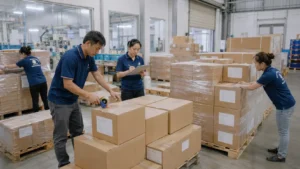
Export packaging requires extra attention because products may travel through long shipping routes, warehouses, and handling points. The inner product box should be strong enough for presentation and basic protection, while the outer carton should protect against compression and handling damage.
For export projects, businesses should consider whether they need a folding carton, rigid box, corrugated mailer, or additional outer shipping carton. Corrugated paperboard is commonly used for logistics protection, while rigid boxes and folding cartons are used for product presentation. A complete export packaging solution often combines both.
How Paper Thickness and GSM Affect Box Quality
GSM means grams per square meter. It is a common way to describe paper weight. In general, higher GSM means thicker or heavier paper, but GSM alone does not tell the full story. Two papers with similar GSM may feel different depending on paper type, density, stiffness, coating, and structure.
For folding cartons, GSM affects how firm the box feels, how well it stands, and how it performs during die-cutting, folding, and gluing. If the paper is too thin, the box may feel weak or deform easily. If the paper is too thick for the structure, it may crack at folds or become harder to assemble.
For rigid boxes, buyers usually discuss board thickness instead of only GSM. Greyboard thickness affects the strength, weight, and premium feel of the box. A thicker rigid box may look more luxurious, but it may also increase cost and shipping volume.
Paper thickness should be selected based on product weight, box size, structure, and use case. Small lightweight products may not need very thick material. Heavy or fragile products may need stronger board or additional insert support. A professional factory should help buyers avoid both under-specification and over-specification.
How Printing and Finishing Depend on Paper Material
Printing and finishing results are strongly influenced by paper material. A design that looks good on screen may appear different after printing if the paper surface is not suitable. This is why B2B buyers should discuss artwork, color expectations, and finishing methods before mass production.
Offset printing is commonly used for custom paper boxes because it provides stable color quality for bulk production. CMYK printing is suitable for full-color artwork, while Pantone colors may be used when a brand needs more accurate spot colors. For important projects, a digital proof, sample proof, or production sample can help confirm the final appearance before mass production.
Smooth coated materials such as ivory board or art paper usually support sharper printing than brown kraft paper. Kraft paper can still look excellent, especially for simple designs, black ink, white ink, or minimalist branding, but buyers should understand that colors may appear warmer or less bright on brown surfaces.
Finishing options also depend on material choice. Lamination can protect the printed surface and change the feel of the box. Matte lamination creates a calm and premium look. Gloss lamination makes colors appear brighter. Soft-touch lamination gives a smooth luxury feel. Foil stamping adds metallic detail. Embossing and debossing create raised or recessed effects. Spot UV highlights selected areas with gloss contrast.
However, each finishing method increases production complexity and cost. A good packaging factory should recommend finishing based on brand positioning, budget, and production feasibility, not simply add every possible effect.
How to Choose the Right Material for Your Budget
Budget is an important factor in custom paper box manufacturing, but it should be managed carefully. The goal is not to choose the cheapest paper. The goal is to choose a material that gives enough strength, suitable appearance, good printing performance, and acceptable unit cost.
If your product is lightweight and sold in larger quantities, a folding carton using ivory board or duplex board may be more cost-effective than a rigid box. If your product is premium, fragile, or used as a gift item, a rigid box with greyboard may be worth the higher cost. If your brand focuses on natural positioning, kraft paper may support the brand message better than a highly coated surface.
Order quantity also affects cost. Many custom paper box projects have MOQ requirements because printing, die-cutting, machine setup, material purchasing, and labor preparation all involve fixed costs. When quantity increases, the unit cost often becomes more efficient. This is why B2B buyers should prepare realistic quantity estimates before requesting a quote.
Buyers can also control cost by simplifying the structure, reducing unnecessary finishing, choosing a practical paper thickness, using standard sizes when possible, or planning larger production runs. In many cases, small changes in material or structure can reduce cost without making the packaging look cheap.
What B2B Buyers Should Confirm Before Mass Production
Before mass production, B2B buyers should confirm several important details with the manufacturer. This helps reduce misunderstandings and improves the chance of receiving packaging that matches expectations.
- Product dimensions: Confirm the exact product size and required inner space.
- Box structure: Decide whether the project needs a folding carton, rigid box, drawer box, magnetic box, lid-and-base box, paper bag, or corrugated box.
- Paper material: Confirm paper type, thickness, GSM, board thickness, and surface requirements.
- Printing method: Confirm CMYK, Pantone, offset printing, and color expectations.
- Finishing: Confirm lamination, foil stamping, embossing, debossing, spot UV, or other effects.
- Sample proof: Ask whether a digital proof, blank sample, printed sample, or production sample is needed.
- MOQ: Confirm the minimum order quantity for the selected material and structure.
- Lead time: Confirm timing for sampling, mass production, quality check, and packing.
- Export packing: Confirm outer carton, packing method, and shipping support.
These details are especially important for international orders because revisions can take more time when buyers and factories are in different countries. Clear specifications at the beginning help the project move faster and reduce production risk.
Work With VPN Paper Box Manufacturer for Custom Paper Box Material Guidance
Choosing paper material can be difficult if you are comparing many options at the same time. Kraft paper, ivory board, art paper, duplex board, greyboard, and corrugated paperboard all have different strengths. The best choice depends on your product, brand style, target market, quantity, printing design, finishing requirements, and budget.
VPN Paper Box Manufacturer, operated by VPN Packaging Factory, supports B2B customers with custom paper box manufacturing, including folding cartons, rigid boxes, magnetic boxes, lid-and-base boxes, drawer boxes, paper shopping bags, and export packaging solutions. Our team can help review your product details, recommend suitable paper materials, suggest practical box structures, and provide factory-direct packaging guidance for custom production.
If you are preparing a new paper box project, contact VPN Packaging Factory for material suggestions, box structure advice, and custom paper packaging consultation. Share your product size, artwork, quantity, target market, and packaging purpose so our team can help you choose a suitable material before production.
FAQ
What is the best paper material for custom paper boxes?
There is no single best paper material for every box. Ivory board is commonly used for folding cartons, greyboard is used for rigid boxes, kraft paper is suitable for natural-style packaging, and corrugated paperboard is better for shipping and protection. The right choice depends on product type, box structure, printing needs, and budget.
Is kraft paper good for premium packaging?
Kraft paper can be used for premium packaging if the brand wants a natural, eco-friendly, handmade, or minimalist look. However, it may not produce the same bright color result as white coated paper. For luxury packaging with detailed printing and finishing, art paper wrapped on greyboard may be more suitable.
What paper is commonly used for cosmetic boxes?
Ivory board is commonly used for cosmetic folding cartons because it has a clean white surface and good printability. For premium cosmetic gift sets or luxury skincare packaging, greyboard rigid boxes with printed art paper wrapping are often used.
What is the difference between ivory board and duplex board?
Ivory board usually has a cleaner and more premium white surface, making it suitable for higher-quality folding cartons. Duplex board is often more cost-effective and commonly has one printable side with a less premium back side. The choice depends on budget, appearance requirements, and box application.
What is greyboard used for in paper box manufacturing?
Greyboard is used as the structural board inside rigid boxes. It provides thickness, strength, and a premium hand feel. It is commonly used for magnetic boxes, lid-and-base boxes, drawer boxes, gift boxes, and luxury packaging.
How does GSM affect paper box quality?
GSM affects paper weight, thickness, and firmness, but it is not the only factor. Paper type, density, coating, structure, and box design also influence quality. A higher GSM may feel stronger, but the material still needs to match the box structure and product weight.
Which paper material is best for export packaging?
Export packaging often requires a combination of materials. The product box may use ivory board, greyboard, or kraft paper, while the outer shipping carton may use corrugated paperboard for protection. The best solution depends on the product weight, shipping method, and handling conditions.
Can I request a sample before mass production?
Yes. For custom paper box projects, buyers can request a blank sample, digital proof, printed sample, or production sample depending on the project stage. Sampling helps confirm size, structure, material, printing, and finishing before mass production.